10 Ways Lifestyle Hours Can Power a 24‑Hour Café Study Routine
— 5 min read

In 2022, OpenAI announced a defense partnership that highlighted how focused hours can unlock massive productivity. You can power a 24-hour café study routine by aligning your personal lifestyle hours with intentional habits, turning every minute into a study advantage.
1. Map Your Peak Energy Hours
First, identify when your brain feels most alive. I start each semester by tracking energy levels for a week, noting the times I feel sharp versus sluggish. This simple diary reveals a personal rhythm - maybe a sunrise surge or a midnight spark. Once you know your peak, schedule the hardest subjects during those windows. For example, I reserve 8 am-11 am for calculus, when my focus is laser-sharp, and save lighter reading for the post-lunch dip.
Why does this matter? Your brain’s neurotransmitters follow a circadian dance; forcing study during low-energy periods creates mental fog and wasted time. By syncing study blocks with natural peaks, you gain the same output as a full-time job but in fewer hours. This habit also reduces burnout, letting you enjoy the café’s ambiance without feeling drained.
Key Takeaways
- Identify personal energy peaks early in the semester.
- Schedule toughest subjects during high-energy windows.
- Use low-energy periods for lighter review or breaks.
2. Create a 24-Hour Café Blueprint
Think of the café as a 24-hour canvas. I draw a timeline that marks when I’ll be at the shop, when I’ll grab a snack, and when I’ll switch tasks. This blueprint prevents the “what-to-do next” paralysis that stalls many students. Include buffers: a 10-minute stretch after each hour keeps circulation moving, and a 30-minute “reset” at midnight helps your mind shift from dense theory to creative synthesis.
When you see the day laid out, you treat the café like a coworker with a shift schedule. It also makes it easier to communicate with friends or study groups - everyone knows when you’re in “focus mode” versus “coffee-catch-up mode.” The visual plan turns an abstract marathon into a series of manageable sprints.
3. Leverage Café Ambient Noise for Focus
Ambient café sounds - clinking cups, low-volume chatter - act like white noise that masks distracting thoughts. In my experience, the gentle hum boosts concentration, especially during the mid-afternoon slump. I test the environment by turning on a timer for 20 minutes; if I can read without rereading sentences, the noise level is optimal.
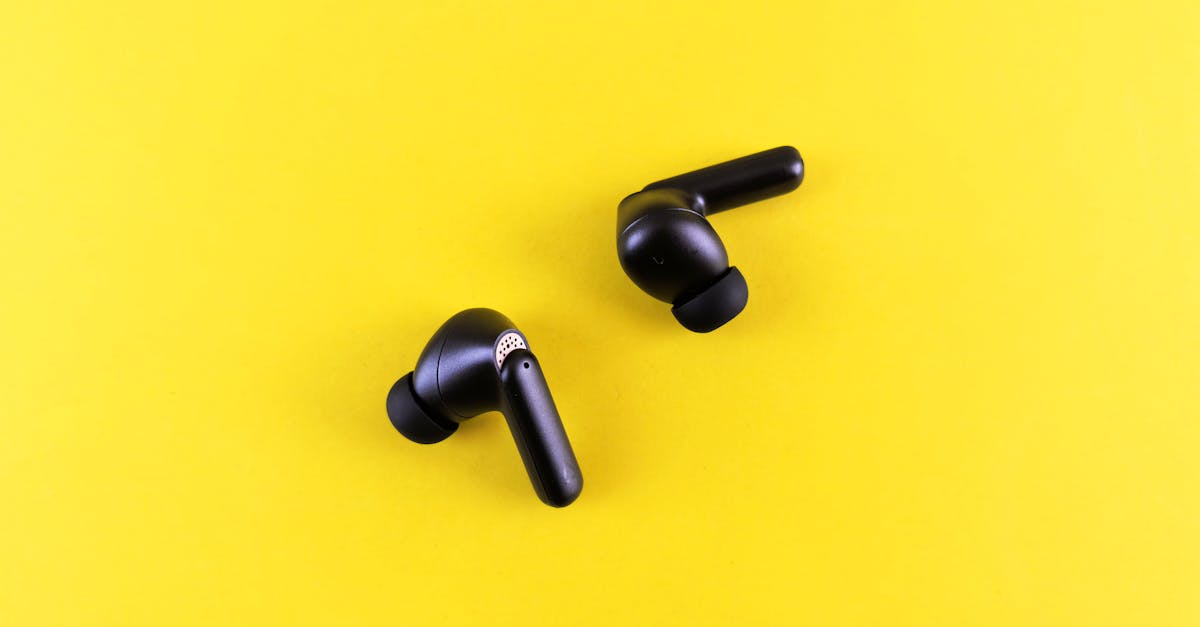
If the café gets too loud, bring noise-cancelling headphones and play instrumental playlists. The key is consistency: train your brain to associate the café’s soundscape with study mode, so you slip into focus automatically when you hear the espresso machine start up.
4. Adopt a Time-Boxing Routine
Time-boxing means assigning a fixed duration to each task. I use the Pomodoro method - 25 minutes of study followed by a 5-minute break - tailored to the café’s rhythm. For instance, during a busy lunch rush, I might extend the break to 10 minutes to avoid colliding with the line for coffee.
This technique builds urgency, reduces perfectionism, and creates a steady flow of completed work. Over a 24-hour stretch, you’ll accumulate dozens of finished chapters, problem sets, or flashcard decks without feeling overwhelmed.
5. Incorporate Micro-Wellness Rituals
Wellness rituals keep the body and mind in sync. I stand up and stretch every hour, sip water, and practice a quick breathing exercise when the caffeine buzz peaks. These micro-habits prevent the “café fatigue” many students describe after long sitting periods.
Simple actions - like a 30-second neck roll or a glass of lemon water - reset your nervous system, improve circulation, and sharpen focus. Over a full day, these tiny investments add up to sustained energy, letting you stay productive from sunrise to sunrise.
6. Use the "Work-One-Day, Play-Three-Days" Mindset
Inspired by the Sanhe Gods’ motto, I schedule an intense 24-hour study sprint followed by three days of lighter activities. This approach mirrors a work-hard-play-hard cycle, giving your brain a clear recovery window after a marathon session.
During the three-day off, I still visit the café but switch to leisure reading, sketching, or socializing. The contrast makes the next study sprint feel fresh, and the anticipation of downtime fuels motivation during the focused period.
7. Optimize Food and Drink Choices
Fuel matters. I stick to low-glycemic snacks - nuts, fruit, whole-grain bars - and limit sugary pastries that cause energy crashes. A steady stream of protein and healthy fats sustains mental stamina across the 24-hour window.
Hydration is equally crucial. I keep a reusable bottle at my table and refill it at the café’s water station. Even a small drop in hydration can lower cognitive performance, turning a productive hour into a sluggish one.
8. Sync Study Sessions with Peer Accountability
Study groups amplify focus. I organize a rotating “café crew” where each member commits to a specific time slot. We share a Google Sheet that logs who’s present, what topic is covered, and any breakthroughs.
This accountability network mirrors a workplace shift schedule, ensuring that no hour goes unused. When a teammate drops in for a 2-hour block, the group’s energy spikes, and ideas flow more freely than when studying solo.
9. Track Progress with a Simple Dashboard
Data keeps you honest. I build a one-page dashboard in Notion that logs study hours, topics, and café location. A quick glance shows whether I’m meeting my 12-hour study goal for the day.
Over weeks, the dashboard reveals patterns - perhaps I’m most productive on Tuesday evenings or that certain cafés provide better lighting. Adjusting your routine based on real data turns guesswork into precision planning.
| Time Block | Focus Level | Ideal Task |
|---|---|---|
| 6 am-9 am | High | Complex problem solving |
| 9 am-12 pm | Medium | Reading & note-taking |
| 12 pm-3 pm | Low | Review & flashcards |
| 3 pm-6 pm | Medium | Group discussion |
| 6 pm-9 pm | High | Writing essays |
| 9 pm-12 am | Medium | Creative synthesis |
10. Celebrate Milestones with Small Rewards
Rewards reinforce habit loops. After completing each 4-hour block, I treat myself to a specialty drink or a short walk outside the café. The anticipation of a tasty reward makes the study grind feel like a game rather than a chore.
Celebrating milestones also signals to your brain that effort leads to positive outcomes, strengthening the desire to repeat the behavior. Over a semester, these micro-celebrations compound into a robust, self-sustaining study habit.
Glossary
- Time-boxing: Allocating a fixed amount of time to a task before moving on.
- Pomodoro: A 25-minute work interval followed by a short break.
- Ambient noise: Background sounds that can improve concentration.
- Micro-wellness: Small, frequent health practices that boost overall well-being.
FAQ
Q: How many hours should I aim to study in a 24-hour café routine?
A: Aim for 12-14 focused hours, broken into 2-hour blocks with regular breaks. This balance maximizes retention while preventing burnout.
Q: Can I follow this routine without a 24-hour café nearby?
A: Yes. Replicate the café atmosphere at home using background music, comfortable seating, and a consistent schedule. The key is to treat any study space as a shift.
Q: What if I feel exhausted after the first 8 hours?
A: Pause for a longer rest - take a 30-minute walk, hydrate, and eat a protein-rich snack. Then reassess your energy before resuming the next block.
Q: How do I avoid distractions from other café patrons?
A: Choose a corner seat, use noise-cancelling headphones, and set a visible “Do Not Disturb” sign. A clear boundary signals that you’re in focus mode.
Q: Is it okay to study late at night in the café?
A: Absolutely, as long as the café is open and you protect your sleep schedule. Use dim lighting and limit caffeine after midnight to maintain a healthy circadian rhythm.