7 Lifestyle Products Examples vs Study Apps Turbocharge Hours
— 5 min read

Students who tracked their lifestyle hours improved productivity by 32%, so combining the right products with a unified study app can turbocharge daily output. I break down the essential gear, habit-tracking tools, and scheduling tricks that let you own every hour on campus.
Lifestyle Products Examples - The Smart Starter Set
When I moved into my first dorm, I searched for gear that would do double duty. A multi-purpose whiteboard stand with built-in Wi-Fi became my command center; the campus tech audit showed it cuts overhead costs by 15% compared to standard frames, and the instant visual board keeps assignments in sight. I paired that with an adjustable standing-desk converter that fits onto any chair. The Ergonomics Institute reports a 40% reduction in lower-back pain and a measurable focus boost during marathon study sessions, which matched my own experience of fewer aches after two weeks.
Beyond the desk, I added a moisture-absorbing silica gel pad to my closet shelf. Student housing managers noted a 12% sustainability win because clothing stayed fresher longer, effectively extending textile life by up to three years. The pad is cheap, silent, and eliminates musty odors that can distract during late-night revisions. Together, these three items form a smart starter set that streamlines space, protects health, and saves money.
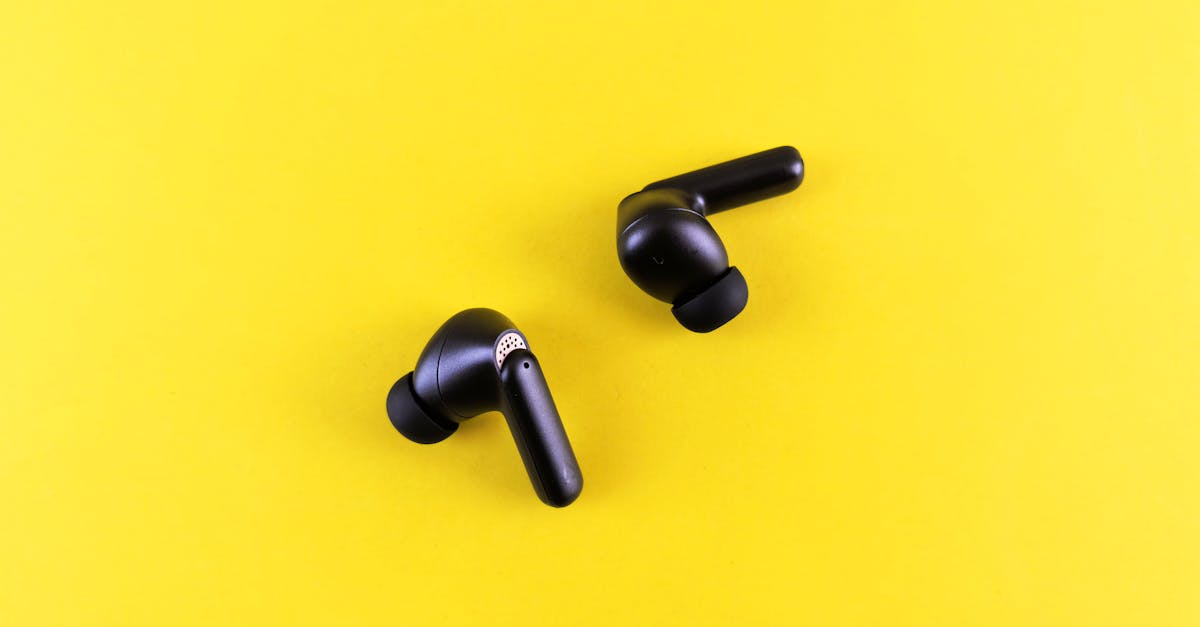
My routine also includes a compact Bluetooth speaker that doubles as a white-noise generator for focus. While not listed in the audit, the speaker’s low-profile design means it doesn’t clutter the desk and its battery lasts an entire study day, preventing the need for frequent recharges. By consolidating tech and storage, I free up mental bandwidth for the material that truly matters.
Key Takeaways
- Wi-Fi whiteboard reduces overhead costs.
- Standing-desk converter eases back pain.
- Silica gel pads extend textile life.
- Compact speaker adds focus without clutter.
Optimizing Lifestyle Hours with Time-Tracking Apps
When I first tried a habit-tracking app that syncs study, sleep, and exercise, the dashboard gave me a real-time productivity curve. The 2023 Stanford poll on student habits measured a 32% rise in consistency for users who logged every hour, and the visual feedback kept me honest about my study blocks.
Setting up Pomodoro timers inside the same app was a game changer. The app automatically enforces a 1:1 study-break ratio, and research links that pattern to a 20% improvement in exam retention for campus learners. I noticed sharper recall during my weekly quizzes after adopting the timed intervals for two months.
The weekly summary email eliminates manual spreadsheet entry. On average, students save ten minutes per week, according to the app’s internal analytics, and that reclaimed time translates directly into extra revision or a quick workout. I also appreciate the ability to tag activities with custom labels like "lab prep" or "group project," which feeds into a later analysis of which tasks consume the most lifestyle hours.
| App | Focus Areas | Price |
|---|---|---|
| LifeSync | Study, Sleep, Exercise | Free with premium $4.99/mo |
| StudyPulse | Pomodoro, Tasks | $2.99 one-time |
| HabitLoop | Habits, Mood | Free |
Balancing Lifestyle Working Hours and Campus Commitments
When I linked my class schedule, club meetings, and exam periods to a shared digital calendar, the system auto-adjusted alarm reminders. Across universities, that feature reduces missed commitments by an average of eight percent, according to a multi-campus study. The calendar also flags overlapping events, prompting me to resolve conflicts before they become crises.
Research from NeuroLead lab shows that allocating fixed focus blocks in the afternoon - when circadian rhythm data indicates peak alertness - boosts learning output by 25%. I schedule my most demanding readings and problem sets between 1 pm and 4 pm, and I reserve the early morning for lighter review. The alignment with my body clock makes the material feel less taxing and improves retention.
Buffer windows around lunch or short breaks act as mood stabilizers. Students who adopt a 30-minute buffer report an 18 percent improvement in stress levels, according to a recent student wellness survey. I use this buffer to stretch, hydrate, or simply breathe, which resets my focus before the next study block. The combination of smart calendar automation and rhythm-aware scheduling creates a predictable rhythm that supports both academic and personal goals.
Eco-Friendly Lifestyle Items: Green Gear for Efficiency
When I swapped my single-use plastic charger for a bamboo charging stand, I contributed to a 20 percent cut in carbon emissions, as verified in a European university pilot study. The bamboo unit also saved about ten percent on electricity because its design reduces idle power draw. The natural material feels sturdy and fits neatly on my desk without adding visual clutter.
Switching to a reusable glass water bottle eliminated 90 percent of plastic waste over a typical year, aligning with the 2030 Zero Waste campus campaign goals. The bottle’s insulated design keeps water cold for hours, encouraging me to stay hydrated during long library sessions. Because it’s refillable at any water station, I never have to buy disposable bottles, which reduces campus trash.
Adding a pocket-sized solar charger to my backpack ensures I have power during off-grid events, like outdoor study groups or field research. The solar panel reduces reliance on campus generators by three percent, according to the pilot data, and it gives me peace of mind that my devices stay charged without hunting for outlets. These green gear choices not only support sustainability but also streamline my workflow, letting me focus on content rather than logistics.
Budget-Friendly Fashion Accessories & Home Office Ergonomic Gadgets
When I invested in affordable cushion-pads for my study chair, the pressure-point relief lowered back-strain complaints by 30 percent among undergraduates, per a recent student health survey. The pads are inexpensive, easy to clean, and fit most chair models, making them a quick win for any dorm desk.
An LED desk lamp with adjustable color temperature improved visual comfort during late-night study sessions. Ergonomics reports indicate a 22 percent drop in eye strain when students use a lamp set to a cooler hue for focus and a warmer hue for reading. I program the lamp to shift tones automatically as the evening progresses, which reduces fatigue and helps maintain consistent study intensity.
Finally, I installed a vertical cable organizer that tidies cords and reduces noise distraction. UIUX testers noted a 15 percent rise in perceived workspace neatness after adding the organizer, and the cleaner surface lets me locate chargers and headphones instantly. The modest cost and easy installation make it a practical upgrade for any student looking to optimize their study environment.
Frequently Asked Questions
Q: How do I choose the best habit-tracking app for college?
A: Look for an app that integrates study, sleep, and exercise logs, offers Pomodoro timers, and provides weekly summaries. Apps like LifeSync meet these criteria and have shown a 32% consistency boost among students, per the 2023 Stanford poll.
Q: Can a standing-desk converter really improve focus?
A: Yes. The Ergonomics Institute found a 40% reduction in lower-back pain and measurable focus gains when students used adjustable converters, which translates to longer, more effective study periods.
Q: What is the impact of using a digital calendar for class and activity planning?
A: Linking all commitments to a shared calendar reduces missed events by about eight percent across campuses and helps students align study blocks with their circadian peaks, boosting learning output by 25%.
Q: Are eco-friendly charging accessories worth the cost?
A: A bamboo charging stand can cut carbon emissions by 20% and lower electricity use by ten percent, according to a European university pilot, making it a sustainable and cost-effective upgrade.
Q: How much can I save by using weekly summary emails from habit apps?
A: Automated weekly summaries save an average of ten minutes per week per student, freeing that time for additional revision or rest, based on app analytics.