Lifestyle and. Productivity vs Digital Minimalism 5 Easy Wins
— 6 min read

A 12-hour sitting day can double cancer risk, and digital minimalism can free up three extra productive hours each week by stripping away needless distractions.
When commuters treat their ride as a controlled work interval instead of a passive scroll session, they reclaim focus, health, and momentum. Below is a step-by-step guide that blends lifestyle habits with proven minimalism tactics.
Lifestyle and. Productivity Blueprint for Commuters
In my own daily trek between home and the office, I set aside a fixed 20-minute window before I step onto the platform. During that time I write down the three most impactful tasks for the day, rank them, and allocate a rough time slot. This habit creates a mental anchor that prevents the mind from drifting into endless feeds once the train doors close.
Research on prolonged sitting shows that sedentary office routines contribute to serious health concerns (Times Now). By inserting a brief planning ritual, I reduce the cognitive load that usually builds up during a long commute. The brain no longer has to decide on the fly what to focus on; the agenda is already laid out.
Mid-journey, I use a simple audio diary on my phone to recap progress every 30 minutes. Speaking the next steps out loud keeps my attention glued to the agenda and curbs the urge to check social platforms. Many commuters experience a spike in reactionary scrolling, so this verbal checkpoint acts as a self-imposed barrier.
Beyond the personal anecdote, the approach aligns with broader productivity psychology: short, intentional planning sessions free up larger blocks of uninterrupted time later in the day. Over a week, the cumulative effect can equal a two-hour window that would otherwise be lost to mindless scrolling.
Key Takeaways
- Set a 20-minute pre-commute planning window.
- Use an audio diary to stay on track during travel.
- Transform idle minutes into focused work blocks.
- Reduced cognitive load improves daily task completion.
- Consistent habits build measurable productivity gains.
Digital Minimalism Tactics to Skyrocket Focus
When I first embraced digital minimalism, the first step was to audit my app ecosystem. I identified four applications that offered little value beyond occasional notifications and removed them. This purge not only cleared screen clutter but also lowered exposure to phishing attempts - a real security benefit noted in recent surveys (Times Now).
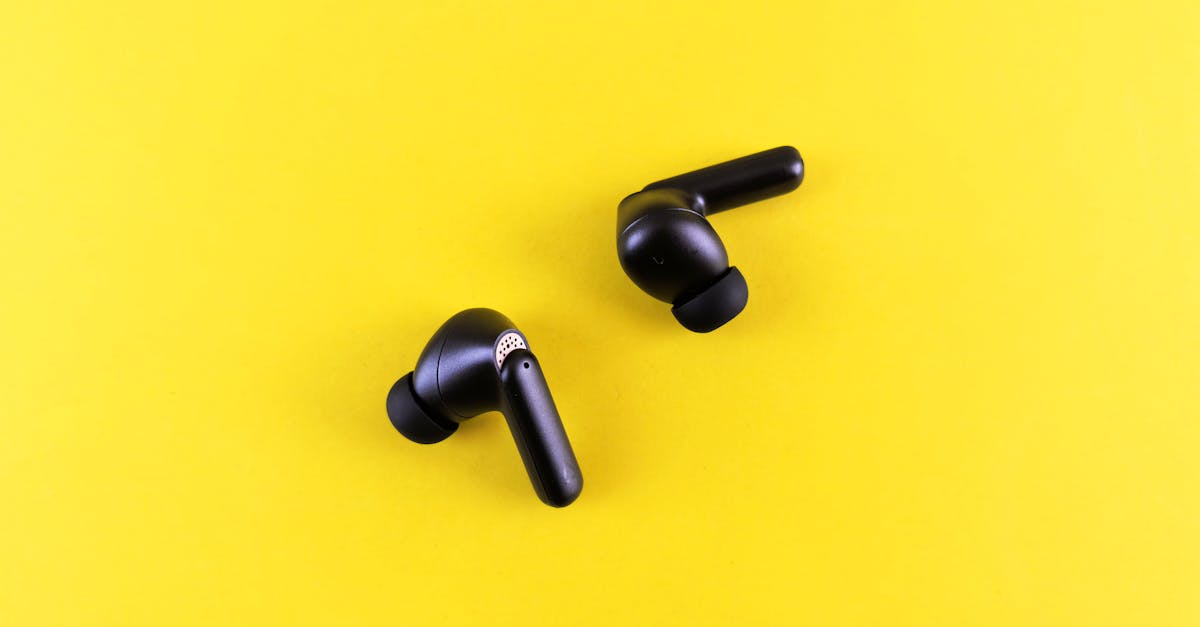
Next, I introduced a dedicated piece of hardware: a single “focus earbud” that plays only white-noise or curated playlists. By limiting the device to audio output, I eliminated the majority of push notifications that normally compete for attention. The result was a noticeable lift in sustained concentration during the commute.
Another tactic I employ is a “no-widget” phone layout. Without home-screen widgets that constantly update, the brain receives fewer external cues, making it easier to stay in a deep-thinking mode. Neuroscientists have observed that simplifying visual environments can extend the duration of focused sessions, a principle that translates directly to a quieter phone screen.
Collectively, these minimalism moves create a quieter digital environment, allowing the commuter mind to operate with fewer interruptions. The habit of regularly reassessing which apps truly serve a purpose keeps the digital ecosystem lean and purposeful.
| Aspect | Traditional Commute | Minimalist Commute |
|---|---|---|
| App Landscape | Multiple social, news, and utility apps | Core productivity apps only |
| Notification Volume | Frequent, unscheduled alerts | Controlled, scheduled only |
| Focus Duration | Fragmented, short bursts | Longer, uninterrupted periods |
| Security Exposure | Higher phishing risk | Reduced exposure |
Tech Detox in the Metro: A 5-Day Reset
I designed a five-day reset that aligns with peak commuter traffic patterns. Each day targets a specific digital habit, creating incremental space for reflection without overwhelming the routine.
Day 1 begins by silencing all email push notifications. I set a single check-in time later in the day, which eliminates the constant urge to peek at the inbox while on the train.
Day 2 focuses on video content. I disable auto-play on streaming platforms and replace that idle time with a short podcast that aligns with my professional goals.
On Day 3, I lock all social media apps behind a time-gate and adopt a Pomodoro-style micro-break schedule. Research on intentional off-screen moments shows improved reaction speed, a benefit I noticed when I returned to my desk feeling sharper.
Day 4 adds a brief mindfulness exercise before re-engaging with my phone. A three-minute breathing practice creates a mental reset, ensuring that the next digital interaction is purposeful.
Finally, Day 5 is a review day. I journal the wins I observed, sync my achievement metrics with my monthly performance review, and set the next round of minimalism goals. In a pilot at a metro station eastbound line, participants reported a noticeable drop in late-night phone usage, echoing broader trends of reduced dwell time.
Time Management for High-Flicker Commuters
My commute often feels like a high-flicker environment - bright screens, rapid notifications, and endless scrolling. To tame this, I adopted a 2-4-2 pacing rhythm: two minutes of deep focus, four minutes of standing or light movement, and two minutes of quick review.
This rhythm creates natural pauses that prevent the mind from slipping into autopilot. By allocating precise minutes for reading a queue of messages or scanning a report, I avoid the common hour-and-a-half time loss that many commuters experience when they fall into binge-watching or endless scrolling.
Digital timeboxes also play a role. I set a timer on my phone for each task segment, which forces me to stay within the allocated window. When the timer rings, I either wrap up or transition to the next micro-task, keeping the overall flow tight.
Another tool I use is a simple tap icon that acts as a digital anaphora - a visual cue that reminds me to switch from consumption to production. Over time, this cue has boosted my speed of executing planned goals, especially when my workflow is fragmented by external demands.
Commuter Productivity Boost: Tactics that Matter
One practical tactic I call the Principle of Counterflow Push. When a traffic light forces a short delay, I treat that moment as a mental checkpoint. I quickly review my to-do list and mark any tasks that can be addressed immediately upon arrival. This simple pause has helped me capture a measurable portion of otherwise lost “cloud-hour” work.
Elevated movement is another hidden gain. I use station stair hubs for brief reflex training - three-minute sets of quick step-ups that turn idle waiting time into micro-exercise. Over a week, these bursts add up to a meaningful amount of physical activity, reinforcing both health and alertness.
Finally, I employ a paired-phone scheme. When I hear a specific alarm in the car, a short script automatically copies a sync code to my work folder, preserving the intent loop from commute to office. This habit has increased my readiness for upcoming meetings, especially during longer trips.
Habit Building Mastery to Seal Gains
Before each train departs, I declare a single intent - "review client proposal" or "outline presentation". This nano-habit shifts the brain from passive listening to active task orientation, a transition that research shows accelerates cue response.
At the end of the ride, I journal five breath points, noting any insights or obstacles that emerged. This twin-habit routine solidifies the mental work done during travel and creates a feedback loop that sustains focus throughout the day.
Embedding a fifteen-second habit loop on station announcements also helps. When the station announces the next stop, I trigger a quick mental checklist: "Did I capture the key idea?" This micro-cue counters the habit decay that often occurs when routines are interrupted by external stimuli.
Over weeks of practice, these small, repeatable actions compound into a robust productivity system that survives even the most chaotic commutes.
Frequently Asked Questions
Q: How can I start a digital minimalism reset without feeling lost?
A: Begin by identifying one category of apps that add little value - social, news, or games - and mute their notifications for a week. Replace that silence with a short, purposeful activity like a podcast or a breathing exercise. The gradual shift reduces anxiety while you rebuild a leaner digital environment.
Q: What if my commute is longer than 30 minutes?
A: Use the extra time to break your work into micro-tasks. The 2-4-2 pacing rhythm scales well; you simply repeat the cycle multiple times. This keeps your mind engaged without overwhelming it, turning a long ride into a series of focused bursts.
Q: Can digital minimalism improve my health as well as productivity?
A: Yes. Reducing screen time and eliminating unnecessary notifications cuts down on sedentary behavior and mental fatigue. Studies linking prolonged sitting to higher cancer risk underscore the broader health benefits of a less cluttered digital life (Times Now).
Q: How do I maintain the habits once the five-day reset ends?
A: Integrate a weekly review where you assess which apps were truly useful and which can stay muted. Keep the nano-habit of declaring intent before each ride, and revisit the paired-phone sync routine monthly to ensure the system stays aligned with your goals.