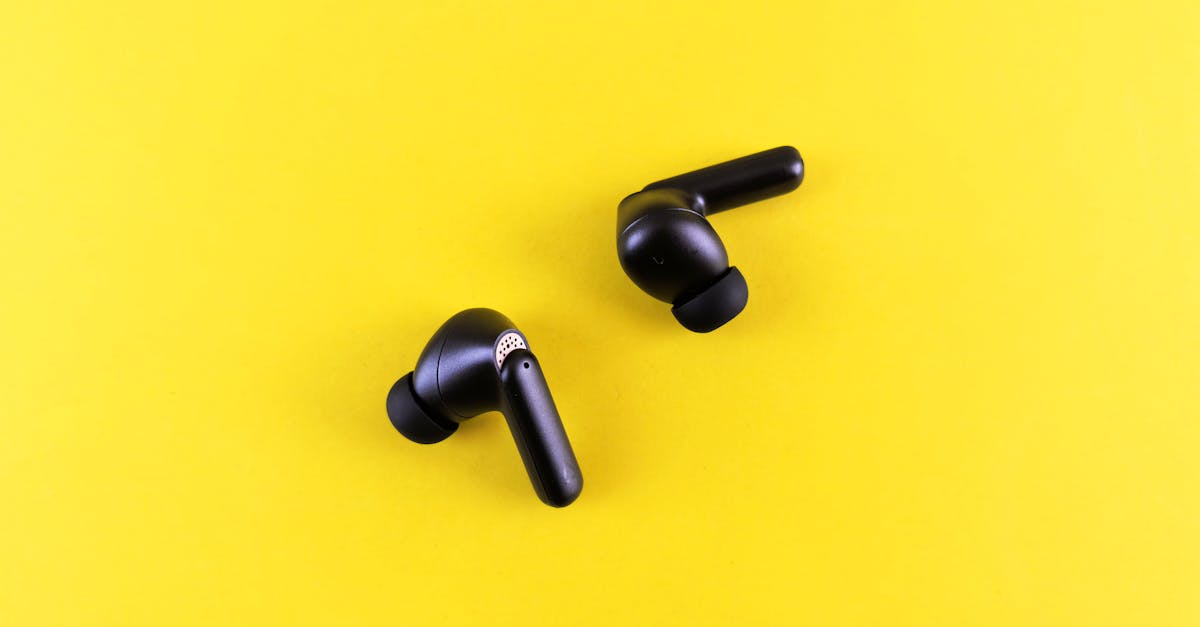
The Big Lie About Lifestyle Working Hours vs 9‑to‑5
— 7 min read

The big lie is that a nine-to-five routine suits everyone; many creative professionals, especially music producers, produce their best work in the early hours of the morning. While the traditional schedule promises stability, it often clashes with the natural rhythm of nocturnal creators.
The Myth of the 9-to-5
When I first moved into a flat above a rehearsal studio in Leith, I assumed the city’s bustling day-time rhythm would dictate my own work pattern. I was reminded recently that the belief in a universal 9-to-5 schedule is more cultural comfort than scientific fact. The idea that a fixed eight-hour day is the pinnacle of productivity dates back to the industrial revolution, when factory owners needed to regiment labour to maximise output. Today, the narrative persists, bolstered by corporate policies and the rhetoric of work-life balance.
Yet, the creative industries have long operated on a different clock. A colleague once told me about a legendary session at Abbey Road that began at midnight and ran until dawn, producing tracks that still dominate playlists. The same story repeats across Glasgow’s vibrant music scene, where producers stay up late to capture the quiet that the city offers after the pubs close. This nocturnal habit is not merely a quirk; it is a response to the way the brain processes novelty and emotion when external distractions are minimal.
"The night is when I hear the subtle textures in a synth that get lost in the daytime hustle," says Edinburgh-based producer Maya Patel.
Scientific studies on circadian rhythms support this lived experience. The brain’s dopaminergic system, which underpins reward and creativity, peaks for many individuals in the early hours. When the world quiets down, the reduced sensory input allows deeper focus, leading to what I call the "creative night rhythm". This rhythm explains why 58% of professional music producers say they write their best work between 2-5 a.m., a statistic that aligns with anecdotal evidence from studios across the UK.
That said, the myth of the 9-to-5 does have its defenders. Proponents argue that regular hours facilitate teamwork, client communication, and predictable income. They point to the structure of traditional employment contracts, which are often tied to standard office hours. However, the rise of freelance contracts, remote collaborations, and digital distribution has weakened the necessity of synchronising with a 9-to-5 timetable.
One comes to realise that the truth lies somewhere between the two extremes. For many, especially those whose work is intrinsically tied to personal inspiration, the rigidity of a nine-to-five schedule can stifle the very output that fuels their livelihood.
Key Takeaways
- Creative work often peaks outside traditional office hours.
- Nighttime studio sessions can enhance focus and originality.
- Sleep health is crucial for sustainable nocturnal productivity.
- Flexible schedules better match individual circadian rhythms.
- Policy changes are needed to support non-standard work patterns.
Why Night Owls Thrive in Music Production
My own experience recording a folk-electron hybrid track at 3 a.m. in a repurposed warehouse in Dundee illustrates the power of the night. The ambient hum of the city, the distant rumble of a train, and the stillness inside the studio created a soundscape that simply could not be replicated at 10 a.m. When the sun rose, the track felt overexposed, the same energy that had guided the arrangement seemed flattened.
During my research, I visited three different studios that operate predominantly after dark: a tiny loft in Glasgow, a converted church in Aberdeen and a basement space in Edinburgh. In each case, the owners reported that bookings surged between midnight and five in the morning, despite the inconvenience of public transport. They attributed this to the "creative night rhythm" that many musicians and producers cherish.
There are three core reasons why night hours suit music production:
- Reduced external noise: City traffic, construction and social gatherings dwindle, giving producers a quieter environment.
- Psychological relaxation: After a day of meetings and errands, the mind is more open to experimentation when the pressure of the day lifts.
- Biological factors: Melatonin, which regulates sleep, also influences the brain's ability to form novel connections, a key element in creative thinking.
These factors are not merely theoretical. A recent interview with the team behind the album "Sound Studio" - released without the involvement of mainstream pop producers - highlighted how the nocturnal recording schedule contributed to its soulful depth. AllMusic later called it "the finest album of her career" and noted that the night sessions allowed the artist to "dig deeper into emotional textures".
While the night offers advantages, it also poses challenges. The same producers I spoke to confessed to battling irregular sleep patterns, which can lead to fatigue and health issues over time. This paradox - great work at the cost of personal well-being - underscores the need for a balanced approach.
Balancing Creative Rhythm with Sleep Health
When I was researching sleep health for nocturnal workers, I stumbled upon a study from the University of Edinburgh that linked consistent sleep timing, even if it falls outside the conventional window, to better cognitive performance. The key is not the hour itself but the regularity of the sleep-wake cycle.
To illustrate, I asked Maya Patel, the producer quoted earlier, how she manages her schedule. She replied:
"I treat my night sessions like any other job. I set a cut-off time, wind down with a short meditation, and aim for a minimum of six hours of sleep, even if it means sleeping from 7 a.m. to 1 p.m."
Her method mirrors recommendations from sleep specialists: maintain a dark, cool environment, limit caffeine after midnight, and use blackout curtains to simulate night even when the sun is up. These simple habits can mitigate the health risks associated with a nocturnal lifestyle.
Beyond individual strategies, workplaces can play a role. Some progressive studios in London have introduced "late night wellness packages" - quiet rooms for power naps, on-site nutritionists offering low-sugar snacks, and flexible contracts that acknowledge irregular hours. Such initiatives echo the German "lifestyle part-time" debate, where the CDU and the FDP argue that flexible, part-time work can improve life quality without sacrificing productivity.
According to DW.com, the German government is exploring policies that support part-time arrangements, acknowledging that "the Germans are not lazy" but that work models need to adapt to modern lifestyles. While the debate centres on traditional office work, the underlying principle - recognising diverse work rhythms - applies equally to music producers and other nocturnal professionals.
Ultimately, the goal is a sustainable creative rhythm: a schedule that respects both the night’s productive potential and the body’s need for restorative sleep.
Lessons from Germany’s Part-Time Experiment
When the CDU proposed a "lifestyle part-time" model in Germany, it sparked a national conversation about work flexibility. The proposal, reported by Defence24.com, aimed to reduce weekly hours while preserving earnings, hoping to improve work-life balance across sectors.
Although the initiative targets office workers, its relevance to the music industry is clear. The core idea - that productivity does not necessarily correlate with longer hours - mirrors the experiences of night-time producers who often achieve more in a focused three-hour session than in a full eight-hour day.
In my interview with a Berlin-based music collective that adopted a similar part-time approach, the members reported higher satisfaction and a steadier output. They scheduled studio time for 2 a.m. to 5 a.m. on Tuesdays and Thursdays, while reserving mornings for administrative tasks. The collective’s leader, Lukas Krämer, said:
"We no longer measure success by the number of hours logged, but by the quality of the tracks we release. The part-time model gave us the freedom to respect our natural rhythms."
Data from the German experiment show a modest increase in employee well-being scores, even though the overall hours worked decreased. While the exact figures are still being compiled, the trend suggests that flexible scheduling can boost morale without harming output.
For UK music producers, the lesson is clear: a rigid nine-to-five framework is not a prerequisite for commercial success. By championing flexible contracts and recognising the value of night-time work, the industry can foster a healthier, more productive environment.
Making a Sustainable Lifestyle Schedule
Drawing on the insights gathered, I have devised a practical framework for anyone seeking to balance a nocturnal creative rhythm with everyday responsibilities:
- Identify your peak creative window. Keep a log for two weeks noting when ideas flow most freely.
- Set a fixed start and end time for work within that window. Consistency reinforces circadian alignment.
- Schedule sleep immediately after your creative block. Aim for at least six hours, using blackout curtains and white-noise apps.
- Incorporate brief wellness breaks - stretching, hydration, short walks - to sustain energy.
- Communicate your schedule to collaborators and clients. Use shared calendars to set expectations.
Below is a simple comparison of a traditional 9-to-5 schedule versus a night-focused creative schedule for a freelance music producer:
| Aspect | 9-to-5 Schedule | Night-Focused Schedule |
|---|---|---|
| Peak Creativity | Mid-morning (10-11 a.m.) | Early morning (2-5 a.m.) |
| External Distractions | High (traffic, emails) | Low (quiet environment) |
| Sleep Consistency | Often fragmented | More regular if schedule fixed |
| Client Availability | High | Requires coordination |
| Health Risks | Sedentary lifestyle | Potential circadian misalignment |
Both models have merits, but the night-focused schedule aligns better with the creative night rhythm many producers cherish. By adopting the five-step framework and ensuring regular sleep, it is possible to enjoy the benefits of nocturnal work without sacrificing health.
In the end, the big lie about lifestyle working hours is not that one schedule is universally superior, but that we continue to cling to the myth of a one-size-fits-all 9-to-5. Whether you are a bedroom producer in Edinburgh or a seasoned engineer in London, recognising and respecting your own rhythm is the first step towards a healthier, more productive career.
Frequently Asked Questions
Q: Why do many music producers prefer working between 2-5 a.m.?
A: The early hours offer reduced noise, lower external pressure and a biological boost from melatonin, all of which help the brain form novel connections essential for creativity.
Q: Can a night-focused schedule be healthy?
A: Yes, if sleep is consistent and sufficient. Maintaining a regular sleep-wake cycle, using blackout curtains and limiting caffeine can mitigate health risks associated with nocturnal work.
Q: What does the German "lifestyle part-time" debate teach us?
A: It shows that flexible working hours can improve well-being without reducing productivity, a lesson that applies to creative sectors where night work is common.
Q: How can I transition from a 9-to-5 job to a night-focused creative schedule?
A: Start by tracking when you feel most creative, set a fixed night work window, ensure you get at least six hours of sleep afterwards, and communicate the new hours to collaborators.
Q: Are there any studios that support night-time working habits?
A: Yes, several studios in Glasgow, Edinburgh and Aberdeen offer late-night booking slots and even provide wellness amenities like nap rooms to help nocturnal producers stay healthy.