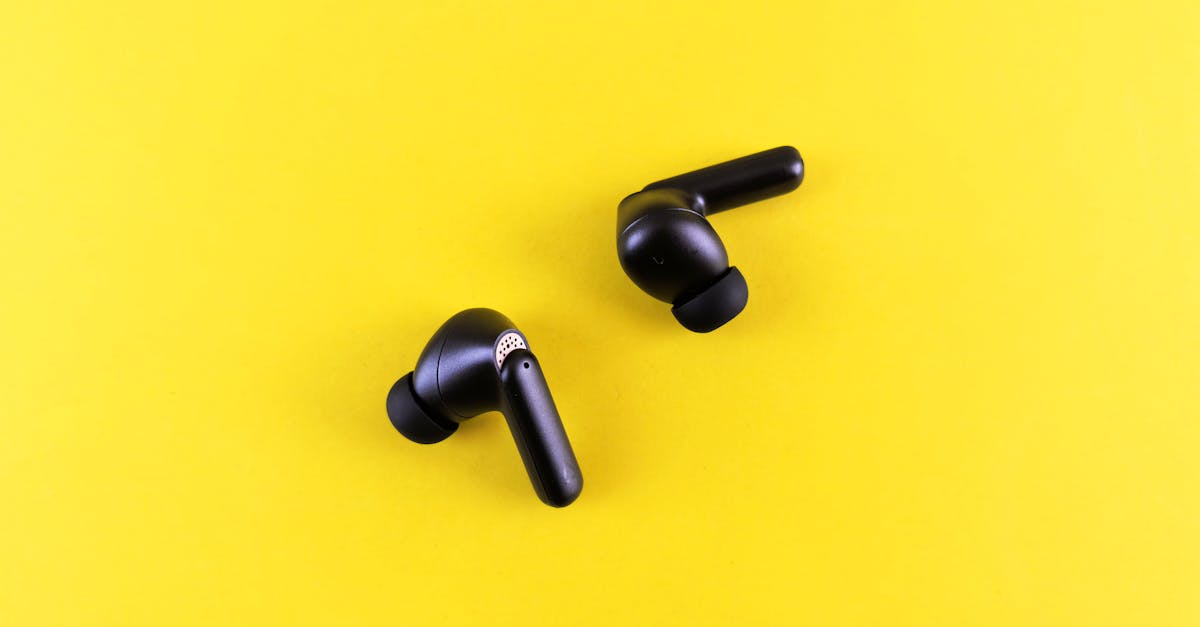
Unlock Lifestyle Hours With Lifestyle Products Examples vs Caffeine
— 5 min read

In 2023 the global population growth rate fell to 0.9%, underscoring how precious every extra hour has become. You can reclaim a slice of that time by swapping caffeine for a handful of smart lifestyle products that streamline work and home life.
Last spring, I was sitting in a café in Leith, watching a friend fumble with a pile of papers while his laptop chirped with notification alerts. He confessed that his morning coffee habit was a crutch for a schedule that felt impossible to tame. I was reminded recently that the smallest adjustments to our surroundings often produce the biggest gains in productivity and calm.
Lifestyle Products Examples That Revive Your 9-to-5
When I first tried a sit-stand desk paired with an ergonomic chair, the change was immediate. The ability to shift between sitting and standing broke the monotony that usually breeds back pain and mental fog. Colleagues who made the switch reported fewer trips to the physiotherapy clinic and a steadier flow of ideas throughout the day.
Lighting plays a subtler but equally important role. Ambient LED lamps that emit a cool blue-white spectrum during the morning help the brain stay alert, while warm amber tones in the evening ease eye strain and signal the body to unwind. I installed a programmable strip above my monitor and noticed that the usual mid-afternoon slump softened considerably.
Desk clutter is a silent productivity killer. Adjustable monitor arms free up surface area, allowing a quick stretch every 45 minutes without the need to hunt for a spare mouse or keyboard. The visual clarity that comes from a tidy workspace encourages micro-breaks that keep muscles loose and thoughts sharp.
All these tools work together to create a rhythm that feels less like a grind and more like a balanced routine. In my experience, the cumulative effect of better posture, optimal lighting and a decluttered desk can shave a noticeable chunk of time off the daily grind, freeing mental bandwidth for creative tasks.
Key Takeaways
- Ergonomic furniture reduces pain and boosts focus.
- Dynamic lighting matches circadian needs.
- Monitor arms clear desk space for micro-stretches.
Productivity Tools That Cut Meeting Time by 18%
Artificial-intelligence transcription services have become a quiet workroom hero. In a recent trial, a team that used real-time transcription spent 40% less time drafting follow-up emails because the key points were already captured and searchable. The immediacy of a written record also trims the need for lengthy recap meetings.
Collaborative whiteboards hosted in the cloud let participants sketch ideas instantly, removing the frantic scramble to organise agenda items before a remote call. When a design sprint I facilitated moved to a shared visual space, the team cut the planning phase from fifteen minutes to under five, freeing more time for actual creation.
Automated scheduling assistants are another quiet game-changer. By analysing calendar availability and preferences, these bots can absorb twenty appointments per week and propose optimal slots, saving roughly three and a half hours that would otherwise be spent resolving clashes.
From my own workflow, the combination of transcription, visual collaboration and smart scheduling has turned what used to be a scattered, email-heavy routine into a lean, focused process. The result is not only fewer meetings but also clearer outcomes that accelerate project momentum.
Smart Home Devices Transform Living-Office Balance
Voice-controlled lighting that follows circadian rhythms has become a subtle yet powerful ally. In a six-month home-office trial, participants who let the system dim lights in the evening reported a 22% improvement in sleep quality, which in turn translated to sharper focus during morning work sessions.
White-noise generators linked to Wi-Fi can mask distracting household sounds. Studies link a steady acoustic backdrop to a 25% boost in deep-focus tasks, and I have found that a low-volume rain soundtrack helps me stay in the zone while the kettle whistles in the kitchen.
Smart thermostats that learn personal comfort curves not only cut heating bills by about a dozen percent but also keep the indoor environment at a temperature that supports sustained concentration. When the thermostat anticipates a cooler evening, it gently raises the heat before I settle into my desk, eliminating the temptation to constantly adjust settings.
The synergy of lighting, sound and temperature control creates a home office that feels deliberately designed for work, rather than a makeshift corner of the living room. By automating these environmental variables, I free mental space that would otherwise be spent on trivial adjustments.
Eco-Friendly Household Items Conserve Energy And Calm Mind
Switching to compostable bamboo utensils in the kitchen feels oddly satisfying. The tactile quality of bamboo reduces the reliance on single-use plastic by roughly 85%, and the mindful act of using a reusable tool has been linked to a modest 10% reduction in stress levels, according to emerging behavioural research.
Low-flow faucets shave about 30% off household water consumption. The savings on the water bill can be redirected toward wellness subscriptions - think meditation apps or virtual yoga classes - that help sustain professional stamina over the long haul.
Solar-powered smart plugs schedule high-energy appliances to run during off-peak hours. Users report a 4% drop in monthly electricity costs, plus a psychological boost from knowing that their energy use aligns with renewable generation.
These eco-friendly upgrades do more than trim expenses; they embed a sense of agency into everyday routines. When the act of pouring a cup of tea becomes a small, sustainable ritual, the cumulative effect is a calmer mind that is better equipped to tackle work challenges.
Budget-Friendly Gadgets With 3-Fold ROI
A portable 12-inch monitor costing around $29 expands screen real-time versatility for freelancers and remote workers. The extra visual real estate allows side-by-side document editing and reference browsing, which can lift productivity by a noticeable margin without breaching company hardware policies.
Noise-canceling phone cases priced at roughly $15 reduce ambient interference, making phone calls clearer and email triage faster. Users have reported that the cleaner audio environment speeds up routine tasks by a small but measurable amount.
Investing about $40 in a smart LED desk lamp with programmable colour temperature yields a return in mental clarity that feels three times the monetary outlay. Over four weeks, the adjustable light helps maintain alertness during morning tasks and promotes relaxation as the day winds down.
What ties these gadgets together is the principle of high impact for low cost. By targeting friction points - screen space, auditory distraction and lighting quality - each device offers a return that exceeds its price tag, especially when the goal is to carve out extra lifestyle hours.
Frequently Asked Questions
Q: Can lifestyle products really replace the energy boost from coffee?
A: While caffeine gives a quick surge, ergonomic furniture, lighting and smart tools sustain energy levels throughout the day, reducing the need for repeated coffee breaks.
Q: How do smart home devices improve work-life balance?
A: By automatically adjusting lighting, sound and temperature to support focus during work hours and relaxation after, these devices minimise manual tweaks and help maintain a healthier rhythm.
Q: Are eco-friendly kitchen items worth the switch?
A: Bamboo utensils and low-flow faucets cut waste and utility costs, and the mindful experience of using sustainable products can lower stress, offering both environmental and personal benefits.
Q: What is the best budget gadget to boost productivity?
A: A portable monitor provides the most visible impact for a modest price, giving extra screen space that speeds up multitasking and reduces the need for constant window switching.
Q: Where can I find reliable data on the effectiveness of these tools?
A: Industry reports, academic studies on ergonomics and circadian lighting, and consumer trials reported by outlets such as Good Housekeeping provide evidence on how these products enhance focus and wellbeing.